Media & Buying|Index 02
Streaming Creators Redefine Live Sports Broadcasting at World Cup
Independent creators on platforms like Twitch and YouTube built a new model for event coverage, challenging traditional media's hold on audience attention.
- Via
- ADVERTISE TOKYO Editors
- Dateline
- Tokyo, July 13, 2026
- Date
- July 13, 2026
- Time
- 6 min read
Source
Digiday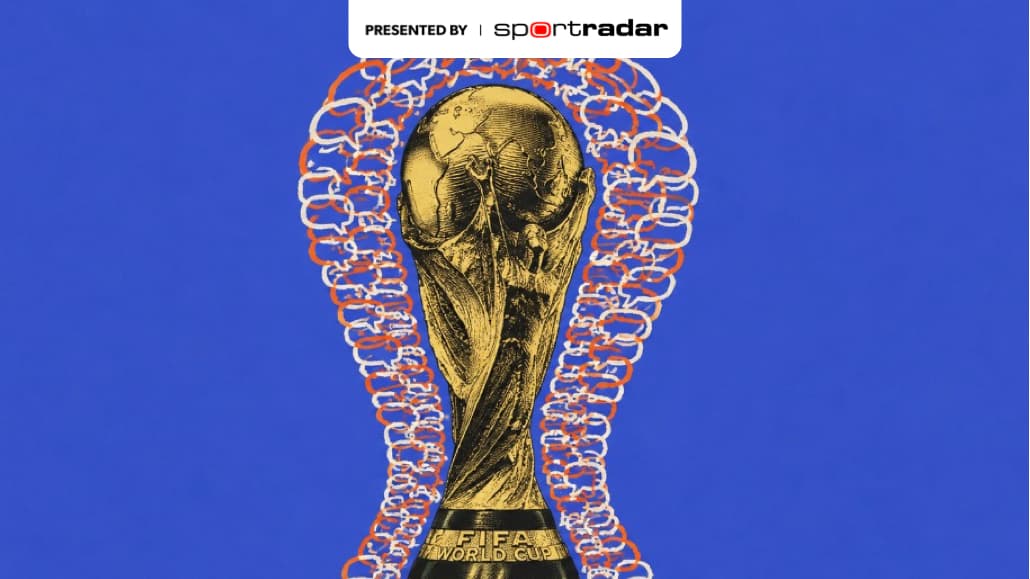
Tagline
Creators remap live sports media
Who & For What
For a Tokyo media planner building Q4 youth-segment campaigns, exploring alternative channels beyond linear TV and major social platforms.
vs. Japan Play
This model differs from traditional sports broadcasts on NHK or private networks, or even ABEMA's streaming rights, by highlighting individual creators as media hubs, a model less integrated into major Japanese media buys today.
Tokyo Take
While Japanese sports media remains centralized, this trend hints at future fragmentation. Marketers should monitor creator platforms for niche sports and cultural events, preparing for a shift in audience attention away from traditional rights holders. This prepares them for engagement in emergent digital 'off-world' environments.
During the 2026 World Cup, a notable shift occurred in live sports broadcasting. Independent streaming creators leveraged platforms such as Twitch and YouTube to offer alternative coverage, attracting significant audiences alongside traditional rights holders. This development signaled a growing fragmentation of sports viewership, indicating that major events are no longer exclusively tied to linear television or established streaming services.
This emergent model matters for marketers because it highlights a fundamental change in how audiences consume live content. Instead of passive reception, viewers actively sought interactive and community-driven experiences. Brands now face an opportunity to engage highly specific, engaged segments directly through these creators, potentially sidestepping the high costs and broad reach of traditional broadcast buys. The economics favor agility and direct partnership over mass media GRPs.
These creators differentiated their offerings through personalized commentary, real-time interaction with their communities, and unique analytical perspectives. They cultivated loyal fan bases by fostering direct engagement, often integrating product mentions or sponsorships organically within their streams. This approach offers an authenticity that traditional commercials often lack, building deeper connections with niche audiences.
"The audience isn't just watching the game; they're watching it *with* someone, and that 'someone' often feels more relatable than a network anchor."
The traditional sports media landscape, built on exclusive broadcasting rights and high-value advertising slots, now faces a challenge. While rights holders still command premium content, the attention economy is shifting. Creators demonstrate that compelling, community-centric coverage can capture and sustain viewer attention, even without official rights, for segments of the audience looking for an alternative experience. This parallels the rise of user-generated content in other entertainment sectors.
This blueprint extends beyond sports. It foreshadows a future where live event coverage — from music festivals to cultural happenings — is increasingly distributed, personalized, and community-driven. Media agencies will need to adapt their planning strategies to account for these decentralized hubs of attention, moving beyond conventional media buys to explore direct creator collaborations and integrated content sponsorships for major cultural moments.
The implications for advertising extend to the truly emergent digital spaces. As consumers increasingly inhabit virtual worlds, metaverses, and other interactive platforms, the creator-led, community-centric engagement model pioneered at the World Cup offers a valuable blueprint. Brands will need to build authentic presence and foster community in these nascent "off-world" environments, moving beyond simple impression buys towards deeper, integrated partnerships that resonate with digital-native audiences.
Related Stories

Media & Buying
Reddit's Organic Brand Playbook for 2026: A High-Effort Channel
Marketing Dive outlines the demanding path for brands seeking genuine community engagement on Reddit, emphasizing authenticity over traditional advertising.
Media & Buying
Publishers Monetize Trust as AI Content Surges
As generative AI floods the content landscape, traditional publishers are repositioning their brand authority and editorial trust as premium assets for advertisers seeking brand-safe environments.
Media & Buying
World Cup Reveals New Creator Playbook for Major Events
Global sports events are redefining how brands engage audiences. The recent World Cup highlighted that creators are no longer supplementary, but central to capturing real-time cultural moments and driving authentic audience connection beyond traditional media buys.